- The AI Humble Servant Newsletter
- Posts
- Nvidia Hits $5 Trillion: Inside AI's Circular Money Machine
Nvidia Hits $5 Trillion: Inside AI's Circular Money Machine

Thaddius Cho
October 30, 2025 • Estimated Reading Time: 4 minutes
Hello,
Nvidia just became the first company ever to hit $5 trillion in market value—and Wall Street is sounding alarm bells.

Yes, you read that right. While everyone celebrates AI's unstoppable rise, Morgan Stanley warns of "increasingly circular" deals where the same money loops through multiple balance sheets. Nvidia invests in OpenAI. OpenAI buys Nvidia chips. Microsoft invests in both while they buy from Microsoft. It's a trillion-dollar carousel.
We've seen this movie before.
In 2000, telecom companies lent money to customers to buy their equipment. When the music stopped, everyone fell.
Spoiler: The AI boom is real, but so is the bubble risk—and small businesses are caught in the middle.
Here's what you need to know to protect yourself...
The $5 Trillion Question: Is AI Building the Future or Inflating a Bubble?
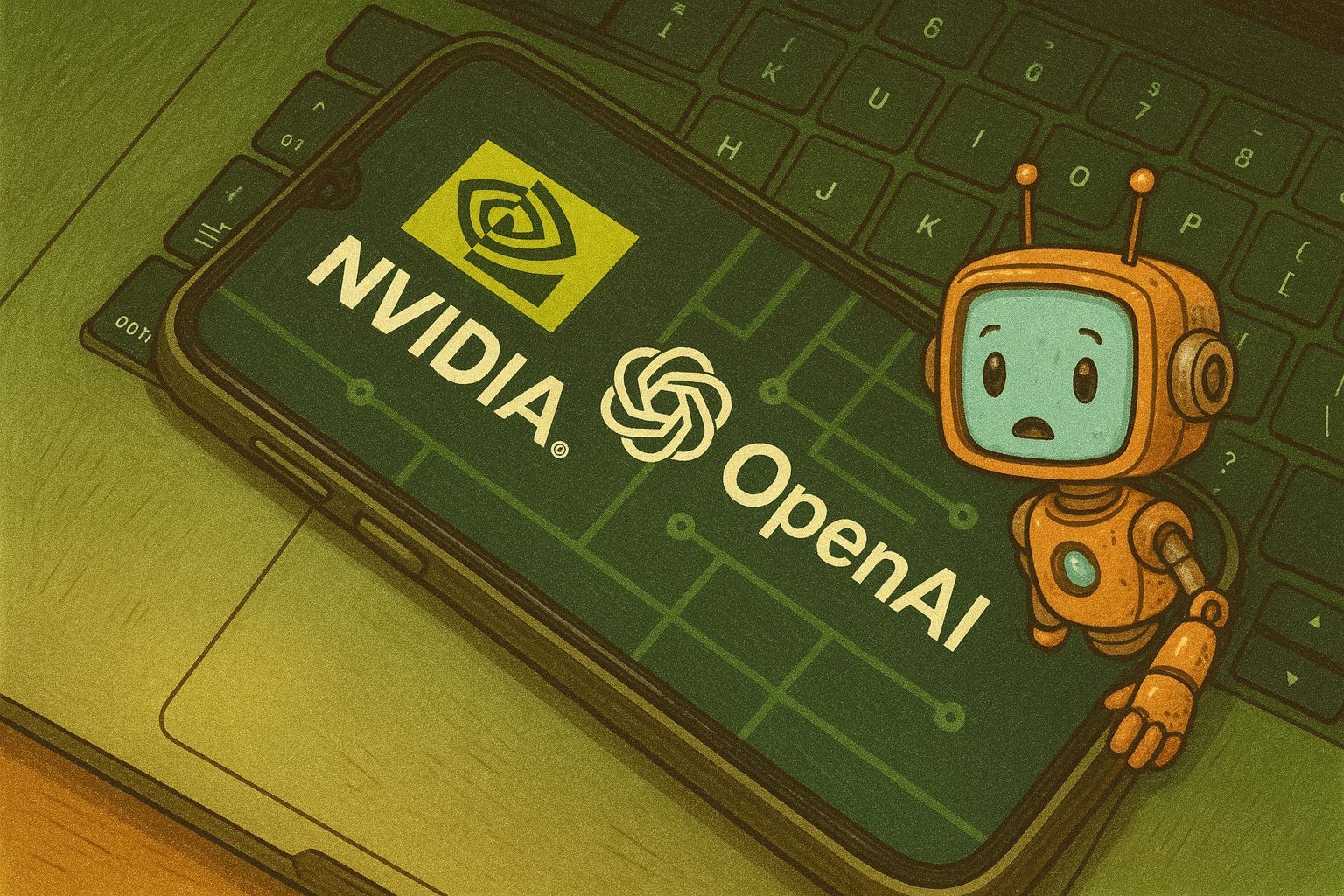
Editor's Note: Nvidia's historic October 29th milestone of reaching $5 trillion valuation comes amid over $325 billion in AI infrastructure spending and growing concerns about circular financing that Bloomberg explicitly compares to the dot-com crash.
The Deep Dive:
The Circular Money Machine
Here's how it works: Nvidia invested up to $100 billion in OpenAI, which will spend far more buying Nvidia chips. Microsoft invested $13.8 billion for 27% of OpenAI, and OpenAI committed to purchase $250 billion in Azure services from Microsoft. Meanwhile, CoreWeave borrows money using Nvidia GPUs as collateral to buy more Nvidia GPUs, while Nvidia owns 7% of CoreWeave and agreed to buy back $6.3 billion of their capacity. The money goes round and round.
Why This Time Feels Different
Unlike the dot-com era's vaporware, AI generates real value. Google reported $102.3 billion in Q3 revenue, Meta hit $51.2 billion, Microsoft reached $78 billion—all up significantly. Nvidia's data center revenue alone hit $41.1 billion, up 56% year-over-year. The demand is genuine: 92% of Fortune 500 companies use OpenAI products. But here's the catch: OpenAI is losing $5 billion annually and projects no profits until 2029.
The Hidden Cost for Small Business
Those massive infrastructure costs flow downstream. OpenAI needs another $400 billion in the next 12 months. Microsoft is spending $80 billion in fiscal 2025 on AI data centers. Expect your AI tool subscriptions to jump 20-30% as providers recoup these investments. Meanwhile, freelancers report 2-5% decline in contracts as AI levels the playing field—top performers face the most pressure.
Bottom Line: The AI boom is simultaneously the greatest wealth creation opportunity and systemic risk of our era. Smart money is building picks and shovels (consulting, integration, training) rather than competing with foundation models. As Morgan Stanley notes: "Greater transparency is needed to understand these interconnections". Until then, treat AI investments like 1999 tech stocks—revolutionary technology, dangerous valuations. Expert analysis on navigating the bubble.
✨ AI Tool of the Week - Composer (via Cursor 2.0) — The AI That Builds Beside You
What It Is
If you’ve ever wished ChatGPT could actually open your code editor and start building things for you, Cursor 2.0 is the closest thing yet.
It’s an AI-powered coding workspace that uses its own model called Composer — an assistant trained to understand your files, plan a project, and write code that just… works.
Think of it as Google Docs meets an AI teammate who knows how to build apps, fix bugs, and explain what’s happening along the way.
🧠 What Makes It Different
Plans before it writes: Composer doesn’t just spit out code — it maps out a game plan first. (Learn more →)
Understands your project: It can see your files, remember connections, and keep everything consistent. (Details →)
Runs commands itself: Cursor lets the AI test its own work, which feels like watching a developer at hyperspeed.
Lives in your editor: You don’t have to jump between ChatGPT and your code. Everything happens in one window.
💵 Pricing Snapshot
Pro Plan: around $20/month — good for solo creators or small projects
Business Plan: around $40/month — adds team tools and higher limits
Extra Usage: roughly 4¢ per request after you hit your limit
Check Cursor’s pricing page for current details.
⚡ Why It Matters
For a long time, coding felt like something only “real programmers” could do. Tools like Cursor are changing that. Composer helps you prototype faster, learn by doing, and see AI reasoning in real time — perfect for creators who want to blend creativity and tech.
You might not need to know every coding term — just an idea, a goal, and curiosity. Composer helps you turn that into something real.
💬 The Takeaway
If you’ve been vibe-coding your way into tech — experimenting with AI tools, tinkering with automations, or editing snippets of code — Cursor 2.0 might be your next step up.
It’s fast, visual, and forgiving.
You focus on the idea. Composer does the typing.
👉 Explore more at cursor.com
This Week's Prompt Section
🎯 This Week's Prompt: 'The Parallel Builder'
Discovered by Cursor 2.0 power users on X/Twitter
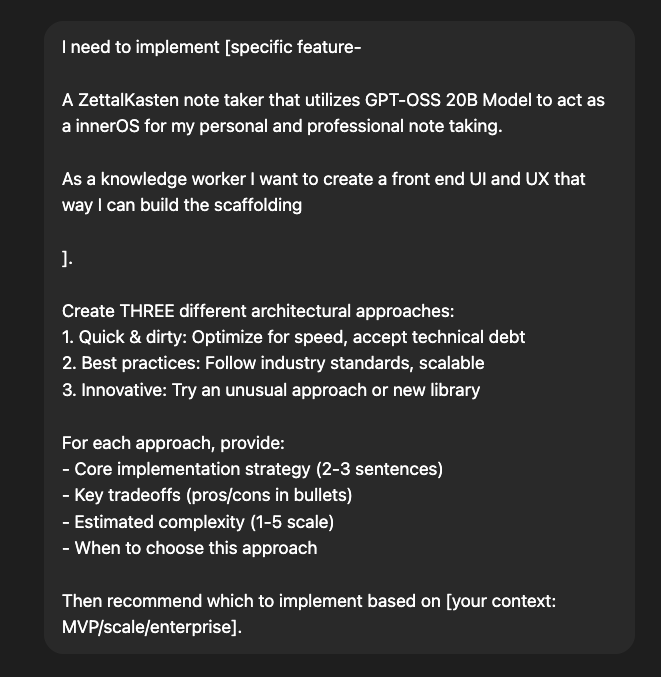
Setup: Stop building one solution. Build three simultaneously and pick the winner.
The Prompt:
I need to implement [specific feature].

Create THREE different architectural approaches:
1. Quick & dirty: Optimize for speed, accept technical debt
2. Best practices: Follow industry standards, scalable
3. Innovative: Try an unusual approach or new library

For each approach, provide:
- Core implementation strategy (2-3 sentences)
- Key tradeoffs (pros/cons in bullets)
- Estimated complexity (1-5 scale)
- When to choose this approach

Then recommend which to implement based on [your context: MVP/scale/enterprise].
Why This Works:
Prevents analysis paralysis by time-boxing architecture decisions
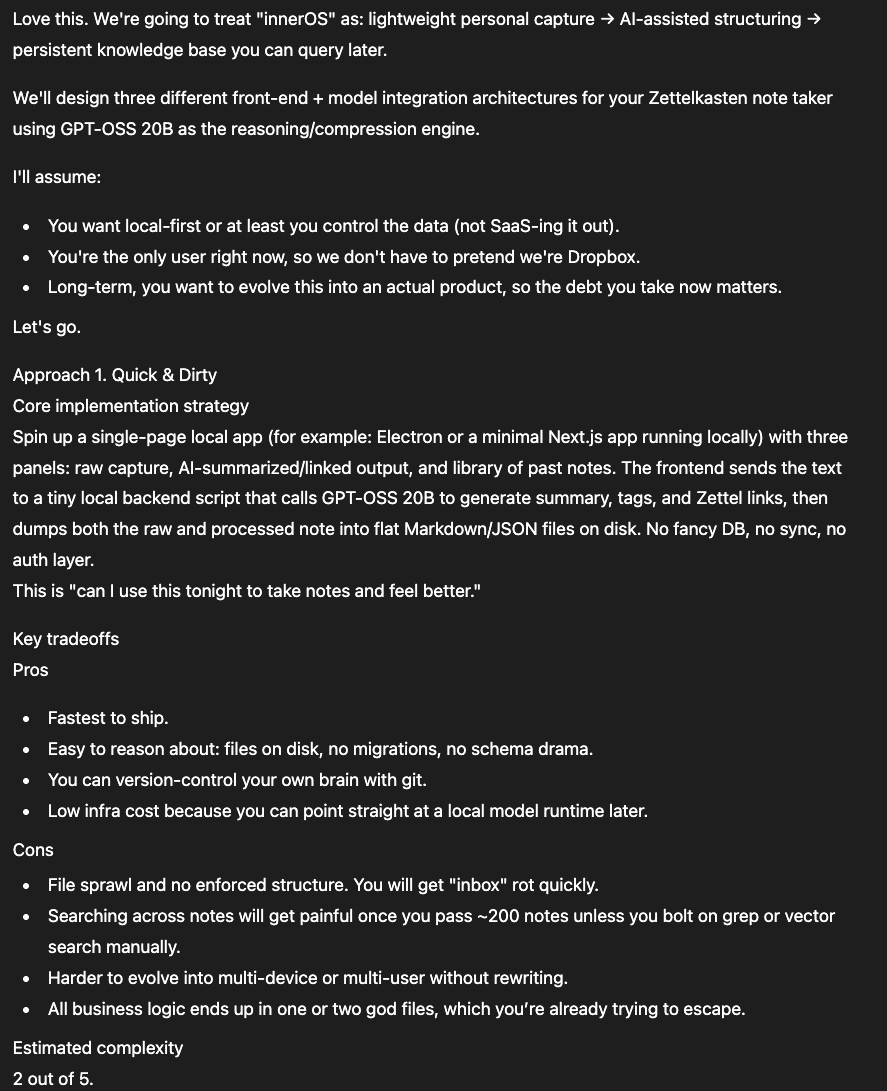
Surfaces non-obvious solutions you wouldn't consider alone
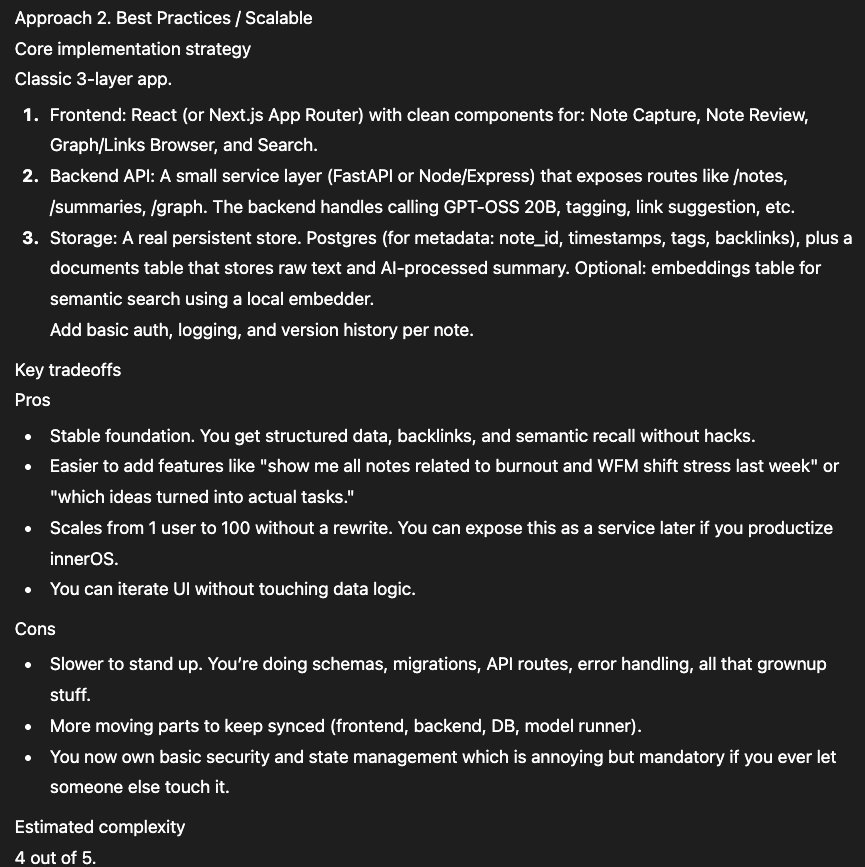
Creates natural A/B tests for technical approaches
In Case You Missed It

t
🔥 Sora 2 Deepfakes Flood Hurricane Coverage - OpenAI's video generator created crisis during Hurricane Melissa as AI-generated disaster footage went viral. NewsGuard found Sora produced false videos 80% of the time.
🔥 Microsoft-OpenAI Restructure Into $500B PBC - Microsoft retains 27% stake worth $135 billion as OpenAI becomes public benefit corporation. The deal paves way for eventual IPO while maintaining nonprofit oversight.
🔥 Oracle Signs $300B OpenAI Cloud Deal - Largest cloud contract in history will provide 4.5 gigawatts of computing power. Oracle stock surged 43% on announcement.
🔥 Wall Street Warns of AI Bubble Indicators - Morgan Stanley cites "unhealthy" circular deals, Deutsche Bank flags $100M valuations for zero-revenue startups. Analysts draw explicit parallels to 2000 telecom collapse.
🔥 AMD-OpenAI Deal Includes Equity Warrants - AMD provides 6 gigawatts of AI chips while OpenAI gets warrants for 10% of AMD stock. Deal structure raises more circular financing concerns.
Closing
That's all for this week! Remember: Bulls make money, bears make money, but pigs feeding at a circular trough get slaughtered.
— Your Humble AI Servant
P.S. Are you hedging your AI bets or going all-in? I'm genuinely curious how readers are navigating this bubble-or-boom moment. Reply and let me know.
💭 Got an AI question? Hit reply. I personally read every email (yes, even the ones asking if AI will steal my job).
🕸️ ThreadWeavers 2-Day Challenge: Learn to craft AI-powered content that converts (not just creates) - Register Here
🧵 Threads: Follow me for daily AI updates and honest takes on what actually works
🔍 Free AI Audit: Send me your biggest workflow headache and I'll suggest 3 AI tools to fix it (reply with "AUDIT")
🎙️ Coffee Chat: Book a 20-min virtual coffee to pick my brain about AI strategy